
The Invisible World Helping Your Plants
Orchids don’t just grow with the help of fertilizer and water — they also depend heavily on beneficial microbes living on and around their roots that can significantly improve orchid growth and health.
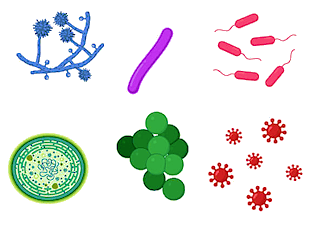
For orchids, these microbes primarily help in six important ways:
1) Improved Nutrient Availability
Beneficial microbes break down and convert nutrients into forms orchids can absorb more easily. This is especially important in bark-based media, where nutrients are often limited or tied up. Some microbes release phosphorus, recycle nitrogen, and help deliver micronutrients like iron and zinc to the plant.
The result is usually:
- Better root growth
- Stronger new growths
- Improved flowering
- More efficient fertilizer use
2) Enhanced Root Growth
Certain microbes naturally produce plant hormones such as auxins and cytokinins. These stimulate:
- Root tip growth
- Root branching
- Velamen development
- Faster recovery after repotting
Growers often notice more active root tips and quicker establishment after dividing or transplanting orchids.
3) Disease Suppression
Beneficial microbes compete with harmful organisms and can suppress pathogens like:
- Fusarium
- Pythium
- Rhizoctonia
- other root rot organisms
Some species, especially Bacillus (a key genus in Quantum-Total) and Trichoderma, form protective colonies around roots and produce natural antimicrobial compounds. This can reduce root loss and improve overall root health without relying entirely on chemical fungicides.
4) Better Moisture and Stress Management
Microbial communities help maintain thin moisture films around orchid roots and may improve tolerance to:
- Heat stress
- Dry conditions
- Fertilizer salts
- Repotting shock
This can be especially beneficial for mounted orchids or thin-rooted species that dry rapidly.
5) Organic Matter Breakdown
In natural settings, microbes slowly decompose bark, moss, dead roots, and organic debris into usable nutrients. In orchid pots, this biological activity helps create a more natural root environment and provides a steady low-level nutrient supply.
6) Root Zone Stability
Healthy microbial populations help stabilize the root environment by moderating pH swings, improving nutrient buffering, and occupying space that might otherwise be taken by pathogens.
Why Orchids Benefit So Much
Orchid roots are exposed and highly specialized. Their velamen acts almost like a sponge and microbial habitat combined. In nature, orchid roots are covered with living microbial communities that continuously process nutrients and protect the root surface.
Because orchids naturally grow in nutrient-poor environments, these microbial partnerships can have an outsized effect on plant performance.
Practical Takeaway for Growers
Growers can encourage beneficial microbes by:
- Avoiding excessive sterilization
- Maintaining good root aeration
- Using moderate fertilizer levels
- Incorporating organic components in the growing system
- Using biological inoculants containing organisms such as Bacillus or Trichoderma
- Seaweed extracts like Kelpak, humic substances, compost extracts, and biological products often work partly because they stimulate beneficial microbial activity around orchid roots.
Microbial enhancement is usually strongest when:
- Media are biologically active
- Fertilizer EC is moderate
- Harsh sterilants are minimized
- Roots experience good oxygenation
- Beneficial inoculants are periodically replenished
In practice, healthy microbial populations often lead to:
- More vigorous root systems
- Faster recovery after stress
- Improved nutrient efficiency
- Reduced root rot problems
- Better blooming and plant vigor